
Écija, the "city of the eleven towers", is easy to visit in a day. The old town is compact, declared a Historic-Artistic Site, and can be covered entirely on foot. This route arranges the main stops into morning, lunch and afternoon, with the lunch break right in the middle, two minutes from Plaza de España.
Morning: Plaza de España and the palaces
Start early, especially in summer. The morning works well in the centre, where almost every stop is close to the next.
1. Plaza de España
The heart of the city, which locals call "el salón", and the best starting point: from here you can see several of the baroque towers Écija is famous for. Worth taking your time.
2. Palacio de Benamejí
A few metres from Plaza de España and next to Casa Machín. It is one of the most visited civil buildings in the old town.
3. Palacio de Peñaflor
Another of the old town's palaces, known for its long curved façade, one of the most photographed sights in Écija.
4. Roman pond and Arca Real del Agua
Two stops close to each other that show the city's ancient history, long before the baroque towers.
5. Towers and churches
Between stops, take a moment for the church towers you come across: they are the most characteristic sight of Écija and can be seen from the street.
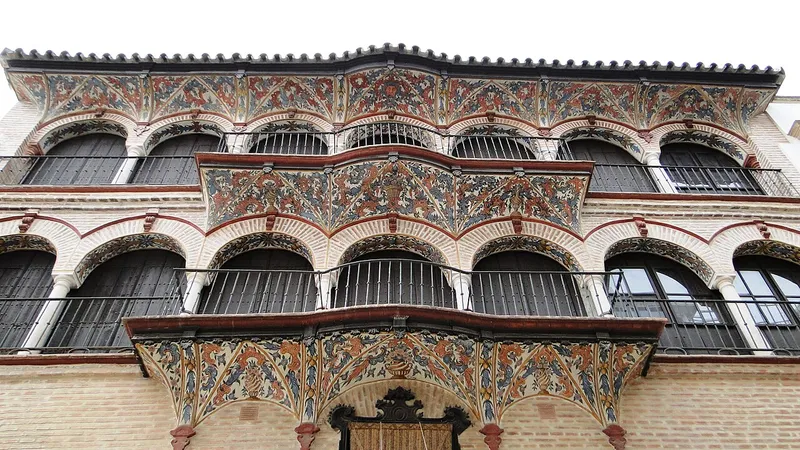
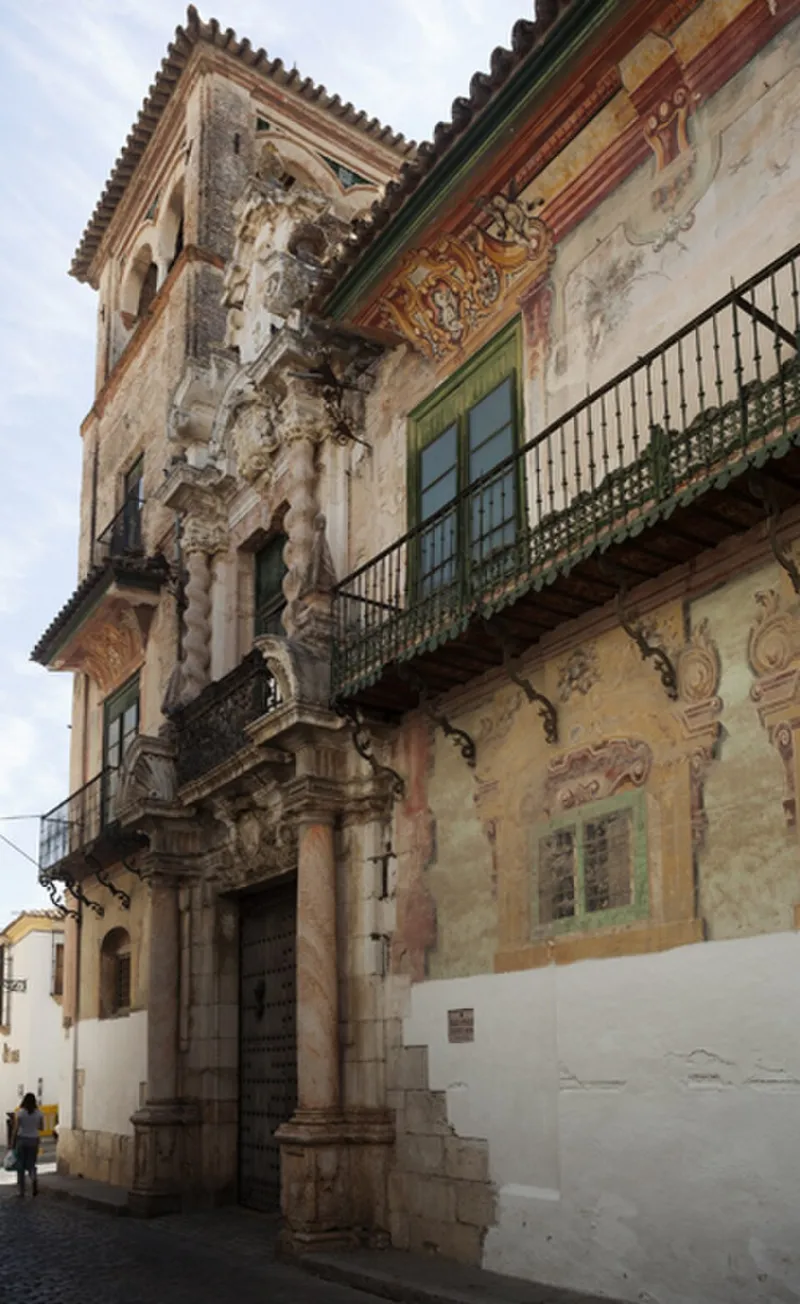
Opening hours and admission for monuments and museums change, so check them with Écija's tourist office before planning the morning.
Midday: a lunch stop at Casa Machín
Halfway through the route, the natural place to eat is at C/ Galindo 4, two minutes' walk from Plaza de España. In Andalusia lunch is late: the dining room fills up between 14:00 and 15:30, and the restaurant is open every day from 13:00 to 17:30, except Tuesdays.
Casa Machín, with a Guía Repsol Solete, is known for its soupy rice dishes — lobster rice is made to order, for a minimum of two people — and its roast suckling lamb. See everything on the menu.
Afternoon: the rest of the old town
After lunch, pick the walk up again at an easy pace through whatever streets and squares are left. In summer, if you did the route in the morning, the afternoon is better spent on a terrace than walking in the sun; in winter, the full-day route is no problem.
Practical tips
- Andalusian hours. Lunch is between 14:00 and 15:30; before 13:00 hardly anything is ready.
- Parking. Leave the car near Avenida Miguel de Cervantes or around Plaza de España: the old town has narrow streets.
- Tuesdays. Casa Machín is closed on Tuesdays; if you plan the route for that day, pick somewhere else or change the day. On Sundays it is open at midday, from 13:00 to 17:30.
- Footwear and heat. Comfortable shoes for the cobbles and, from June to September, an early or dusk route.
If you arrive by motorway, see getting here from the A-4 or the location page.
Map
Frequently asked questions about walking Écija
What to see in Écija in one day?
Écija's historic centre can be covered on foot in a day: Plaza de España, the Palacio de Benamejí, the Palacio de Peñaflor, the Roman pond, the Arca Real del Agua and the baroque church towers that give the city its name, the "city of the eleven towers". Casa Machín, at C/ Galindo 4, is two minutes from Plaza de España and a natural stop for lunch halfway through the route.
How long does it take to see Écija?
The old town is compact and best explored on foot. A relaxed visit to the main sights takes a morning or an afternoon; with lunch in the middle, it takes a full day. In summer it is best to do the route early in the morning or at dusk, because of the heat.
Where to eat halfway through a walk around Écija?
Casa Machín, at C/ Galindo 4, is right in the historic centre, two minutes' walk from Plaza de España and next to the Palacio de Benamejí. It opens every day from 13:00 to 17:30 except Tuesdays, when it is closed; rice dishes and suckling lamb are the most requested. Booking by phone is advisable, especially between 14:00 and 15:30.
Where to park to visit Écija?
The most practical option is to park near Avenida Miguel de Cervantes or around Plaza de España and do the rest of the visit on foot, as the old town has narrow streets.